A Comprehensive Guide to Life After Turkish Citizenship
Introduction
Becoming a Turkish citizen opens the door to numerous opportunities and responsibilities. For new citizens, understanding the various aspects of Turkish citizenship is crucial, including obtaining ID cards, passports, and understanding military obligations. This guide aims to provide a clear overview of what you need to know after acquiring Turkish citizenship, highlighting practical steps, common scenarios, and tips for a successful transition into your new life in Turkey.
Obtaining Your Turkish ID Card
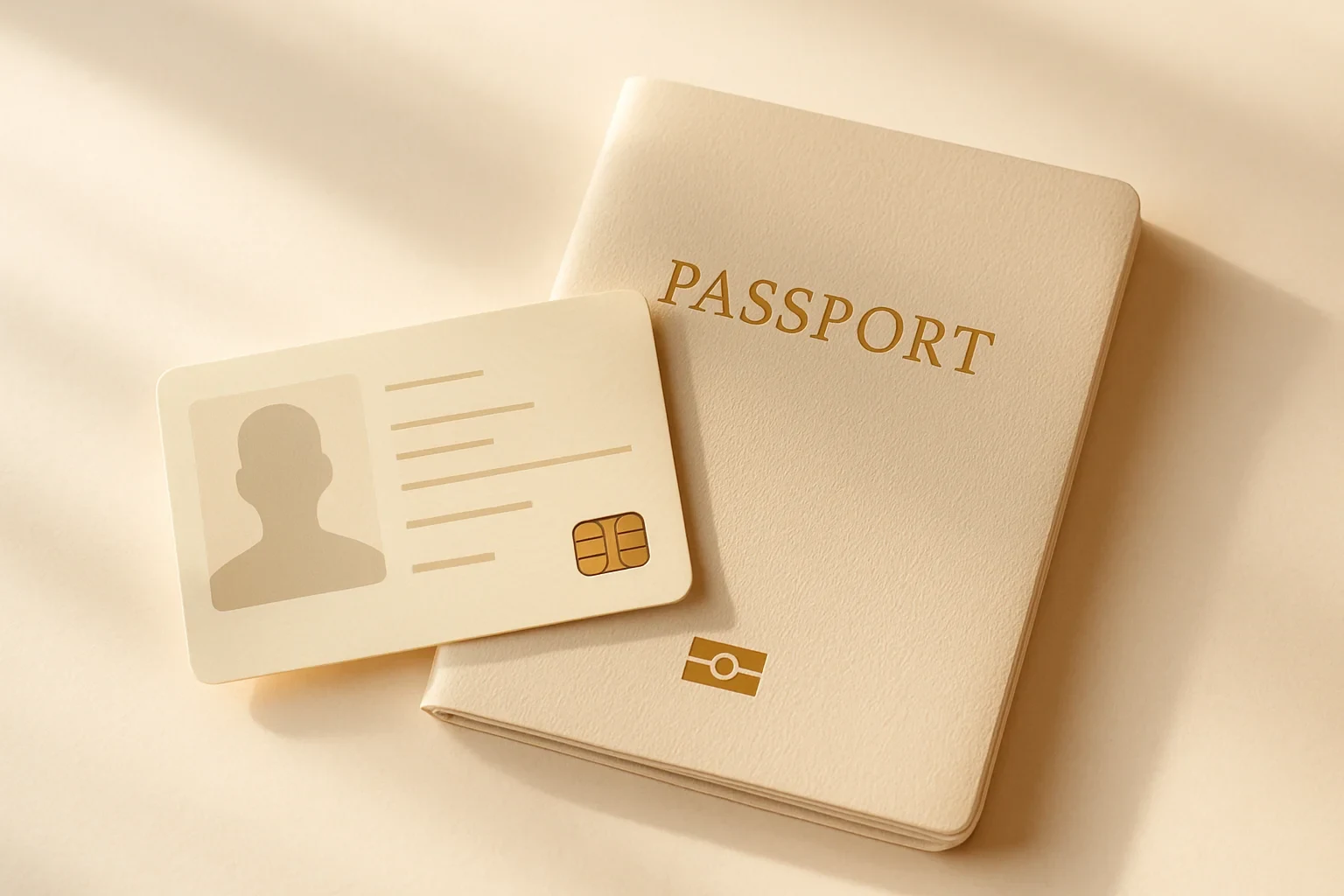
Once you have successfully acquired Turkish citizenship, one of your first tasks will be to obtain a Turkish Identity Card (Kimlik). The ID card is essential for identification purposes and is required for various legal and administrative processes, including opening a bank account, signing contracts, and accessing healthcare services.
- Application Process: You can apply for your Turkish ID card at the nearest population registry office (Nüfus Müdürlüğü) in your district. It is advisable to check the office hours beforehand, as they may vary. You may also need to schedule an appointment, especially in larger cities. When you arrive, present your citizenship certificate and any other required documents to the officials.
- Documents Needed: Typically, you will need your citizenship certificate, a passport-sized photo, and proof of residence in Turkey, such as a rental agreement or utility bill. Ensure that your passport photo meets the official requirements, which usually include a plain background and a clear view of your face.
- Processing Time: The ID card is usually issued on the same day, but it may take longer during busy periods. In some cases, you may receive a temporary ID document if your card is not ready immediately.
Getting Your Turkish Passport
Your Turkish passport (Pasaport) is another crucial document that grants you the right to travel internationally. As a Turkish citizen, you are eligible to apply for a passport upon receiving your ID card, and understanding the application process can save you time and effort.
- Application Process: You can apply for your passport at a local passport office (Pasaport Şube Müdürlüğü) or online through the e-Government portal. If applying in person, it’s wise to arrive early to avoid long waits. For online applications, follow the instructions carefully and ensure that all documents are uploaded correctly.
- Required Documents: You will need your Turkish ID card, a passport photo that meets the official requirements, and a completed application form. Depending on your situation (e.g., if you have lost your previous passport), additional documents such as a police report or proof of citizenship may be required.
- Types of Passports: Turkish citizens can apply for different types of passports, including ordinary, diplomatic, and service passports, depending on their needs. Ordinary passports are suitable for general travel, while diplomatic passports are issued to government officials for official duties. Service passports are designed for individuals traveling on behalf of the government for non-official purposes.
- Processing Time: Passport issuance generally takes 7-10 working days, but expedited services may be available for urgent cases. If you need to travel urgently, inquire about express processing options at your local passport office.
Understanding Military Obligations
One important aspect of Turkish citizenship that new citizens must be aware of is military service. Turkish men are subject to mandatory military service, which can be a concern for new citizens. Understanding your obligations and options can help you navigate this requirement effectively.
- Military Service Requirement: All male citizens are required to serve in the military, typically for a duration of 6-12 months, depending on various factors such as age and educational background. The exact duration may vary, so it’s important to check with the relevant military authority.
- Exemptions: Certain exemptions may apply based on age, health, or if you have already completed military service in another country. For example, individuals with disabilities or those who are the sole caregivers for family members may qualify for exemptions. It’s advisable to consult with authorities to understand your specific obligations and whether you qualify for any exemptions.
- Postponement Options: If you are studying or have other valid reasons, such as potential job opportunities or health issues, you may be able to postpone your military service. Documentation will be required to support your request, such as enrollment letters from educational institutions or medical reports.
Rights and Responsibilities of New Citizens
As a new citizen of Turkey, you gain several rights and responsibilities. Understanding these can help you navigate life in Turkey more effectively. Familiarizing yourself with your rights will empower you to make the most of your new status.
- Rights: New citizens enjoy the same rights as Turkish natives, including the right to vote, access to healthcare, education, and social services. You will have the right to work in Turkey without needing additional permits, and you can also start a business or invest in the local economy.
- Responsibilities: You are expected to adhere to Turkish laws, pay taxes, and fulfill military obligations if applicable. Being informed about your responsibilities helps in integrating smoothly into Turkish society. Additionally, you should be aware of local customs and regulations, as ignorance of the law is not typically accepted as an excuse.
Integration into Turkish Society
Integrating into Turkish society as a new citizen involves understanding the culture, customs, and language. Here are some tips to help you settle in and build a fulfilling life in Turkey:
- Language: Learning Turkish will significantly enhance your experience in Turkey. Consider enrolling in language classes, which are often offered at community centers or private language schools. Alternatively, using language-learning apps like Duolingo or Babbel can be a convenient way to practice daily. Engaging in conversation with locals will also improve your language skills.
- Cultural Understanding: Embrace Turkish culture by participating in local events, trying traditional foods, and understanding social norms. Attend festivals, visit historical sites, and explore the diverse regions of Turkey to gain a deeper appreciation of the country's rich heritage. Understanding the nuances of social interactions, such as greeting customs or dining etiquette, will also help you build rapport with locals.
- Networking: Building a social network can be beneficial. Join expat groups, local clubs, or community organizations to connect with others. Online platforms such as Facebook groups or Meetup can help you find gatherings or activities that interest you. Establishing friendships with both locals and fellow expats can provide emotional support and valuable insights into navigating life in Turkey.
How Yayla Law Can Help
At Yayla Law, we specialize in assisting foreign nationals with the complexities of Turkish citizenship and residency regulations. Our experienced team can guide you through the processes of obtaining your ID card and passport, understanding your military obligations, and navigating any legal matters related to your new citizenship. We are committed to providing personalized legal support tailored to your unique situation. Whether you need assistance with documentation, legal compliance, or understanding your rights and responsibilities, we are here to support you every step of the way.
Contact us today to discuss your case and ensure a smooth transition into your new life as a Turkish citizen. Our dedicated team is ready to help you navigate this exciting new chapter.
Disclaimer: The information provided in this guide is for general informational purposes only and should not be considered legal advice. For case-specific advice, please consult a qualified attorney.