
Rental Deposits in Turkey: The Three-Month Cap and How to Get Your Deposit Back
In Turkey (Türkiye), the security deposit on a home or a roofed workplace cannot exceed three months' rent, and the law intends it to be held not by the landlord but in a time deposit account in the tenant's name that cannot be drawn on without the landlord's approval (Turkish Code of Obligations No. 6098, Art. 342). The bank may release it only with the consent of both parties, on a finalised enforcement proceeding or on a final court judgment — and if the landlord has not notified the bank within three months after the lease ends that he or she has sued or started enforcement against the tenant, the bank must return the deposit to the tenant on request. At the end of the tenancy the landlord may deduct only unpaid rent and charges and damage beyond normal wear, and must notify defects in writing at once when the property is returned (Arts. 334–335).
In practice most deposits are handed to the landlord in cash or by transfer, and most disputes are about what was deducted and why. This guide explains the rules, what a landlord may and may not keep, how a tenant should hand back the property so that the deposit is recoverable, and how to claim it — including from abroad after leaving Turkey.
- Cap: three months' rent, for residential and roofed workplace leases.
- Where it should be: a blocked time deposit account; securities are deposited with a bank.
- Release: both parties' consent, finalised enforcement, or final judgment.
- Three-month rule: without a landlord's notice of a lawsuit or enforcement within three months of the lease ending, the bank repays the tenant on request.
- Normal wear and tear: the tenant is not liable for it (Art. 334).
- Landlord's notice: defects must be notified in writing immediately on return, or the tenant is released (Art. 335).
- No extra payments: terms obliging the tenant to pay anything other than rent and ancillary costs are invalid (Art. 346).
- Disputes: mediation first, then the civil court of peace; or enforcement proceedings.
Legal status of this guide. It reflects the Code of Obligations and the Mediation Law as in force. How a lira deposit paid years ago is revalued on return, and who repays after the property has been sold, are governed by case law that has varied; they are described with that caution. Last updated: October 2026.
In this guide
- What the law says
- Law and practice
- Moving in: protect yourself
- What the landlord can deduct
- What the landlord cannot deduct
- Moving out correctly
- How much is returned
- Using the deposit as last month's rent
- If the property was sold
- Claiming the deposit
- Notes for landlords
- Frequently asked questions
What the law says
Article 342 of the Code of Obligations applies to leases of dwellings and roofed workplaces:
- if the contract obliges the tenant to give security, it cannot exceed three months' rent;
- if money is agreed as security, the tenant deposits it in a time savings account, not to be withdrawn without the landlord's approval; if securities are agreed, they are deposited with a bank;
- the bank may return the security only with the consent of both parties, or on a finalised enforcement proceeding, or on the basis of a final court judgment;
- if the landlord has not notified the bank in writing, within three months following the end of the lease, that he or she has brought a lawsuit or started enforcement or bankruptcy proceedings against the tenant in connection with the lease, the bank must return the security on the tenant's request.
Two further provisions frame the dispute at the end. The tenant returns the property in the condition in which it was received, but "is not liable for wear and deterioration arising from use in accordance with the contract", and an agreement by which the tenant undertakes in advance to pay any compensation other than for damage from use contrary to the contract is invalid (Art. 334). And the landlord must examine the property on its return and notify the tenant in writing, at once, of the defects for which the tenant is responsible; otherwise the tenant is released from all liability, except for defects that could not be detected by ordinary examination, which must be notified as soon as discovered (Art. 335).
Law and practice
| What the Code provides | What usually happens | |
|---|---|---|
| Amount | Up to three months' rent | One or two months; more is sometimes asked of foreign tenants |
| Holder | Blocked bank account in the tenant's name | Paid to the landlord directly |
| Interest | Accrues in the account for the tenant | None |
| Return | By the bank, on consent or after three months without a claim | By the landlord, after inspection, often with deductions |
A deposit paid directly to the landlord is still a deposit and must still be returned. A tenant is entitled to insist on the bank account method; in a competitive rental market few do. What a tenant can always do is create evidence.
Moving in: protect yourself
- Write it into the lease: the amount, currency, date and method of payment of the deposit, and that it will be returned on handover of the keys.
- Pay by bank transfer to the landlord named in the lease, with the description "deposit" and the address. If the account belongs to someone else — a relative, the agent — have the lease say so.
- Excess. A deposit above three months' rent exceeds the statutory cap; the excess can be reclaimed.
- Condition report. Photograph and video every room, the appliances, and existing damage on the day you receive the keys; send the files to the landlord by e-mail or messaging so that the date is fixed. Attach an inventory to the lease for furnished property.
- Meter readings on entry.
- Agent's fee. The agent's commission is separate from the deposit and is not refundable at the end.
- Identity of the landlord. Check that the person letting is the owner or holds authority. A deposit paid to a fraudster who has "let" someone else's flat is a criminal matter. See our guide to fraud complaints.
What the landlord can deduct
- Unpaid rent up to the date the keys are returned.
- Unpaid ancillary costs the tenant was to bear: building charges for ordinary running expenses, electricity, water, gas, internet.
- Damage from use contrary to the contract: broken fixtures, burns, holes, stains beyond ordinary use, missing inventory items, unauthorised alterations and the cost of reversing them.
- Loss caused by leaving early without the notice required — rent for a reasonable period needed to re-let, where the tenant left a fixed-term lease prematurely without proposing an acceptable replacement.
The landlord must be able to prove each item: a written notice of defects at handover, and invoices or an expert determination for the cost.
What the landlord cannot deduct
- Normal wear and tear: faded paint, worn flooring, limescale, marks from furniture, ageing of appliances.
- Routine repainting. A clause that the tenant will repaint or pay for painting at the end, whatever the condition, falls under the invalidity in Article 334 so far as it goes beyond damage from improper use.
- Repairs that were the landlord's responsibility — structural defects, building systems, damp from the building.
- Penalties and "fees". The tenant cannot be made to pay anything other than rent and ancillary costs; penalty clauses for late rent and clauses accelerating future rent are invalid (Art. 346).
- Extraordinary building expenses — major renovations of the building — which are the owner's.
- Items not notified at handover, unless they were hidden defects notified promptly on discovery.
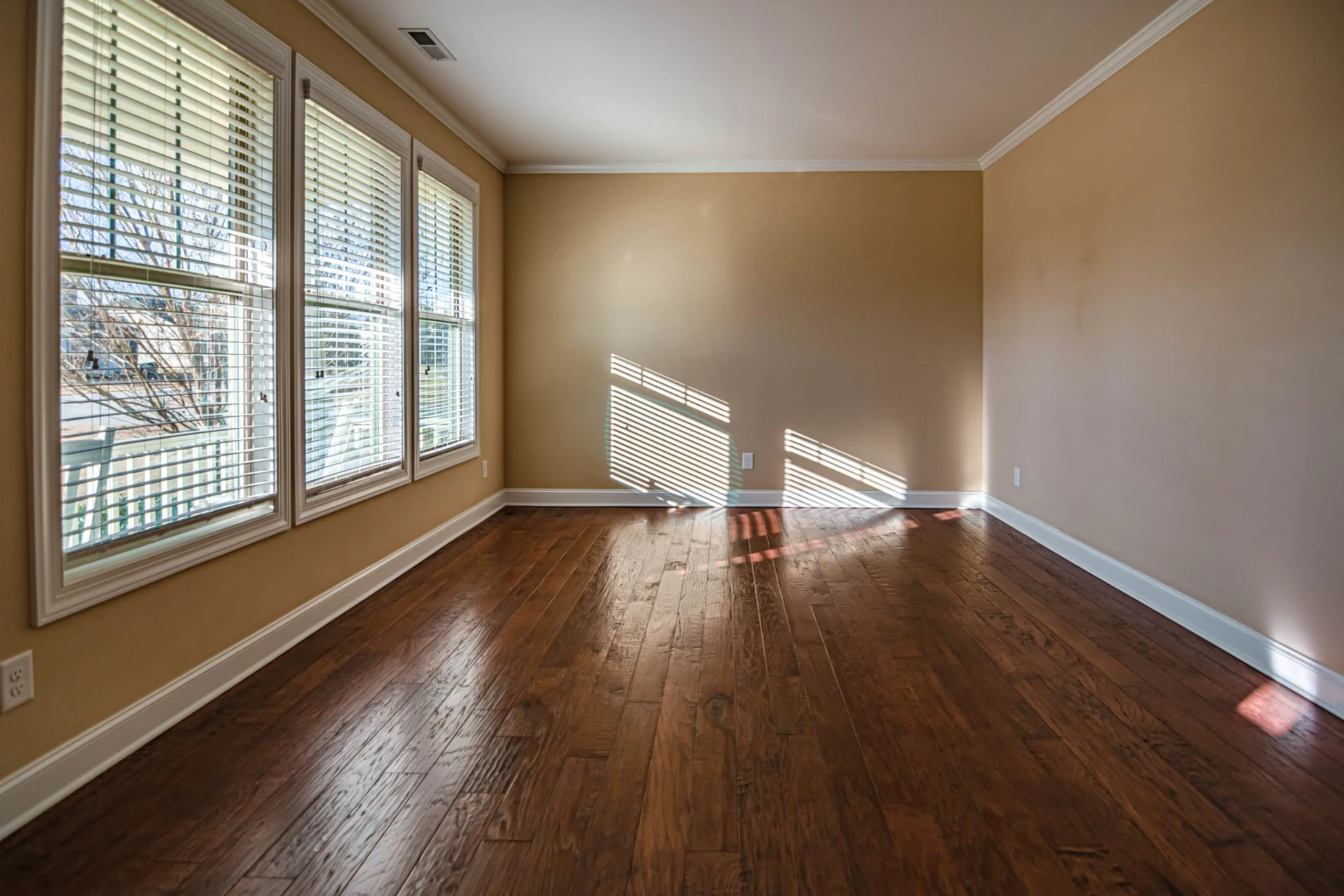
Moving out correctly
Most lost deposits are lost here.
- Give notice properly. In a fixed-term residential lease the tenant can prevent renewal by written notice at least fifteen days before the end of the term. See our guide to tenant rights.
- Clean and repair what you damaged; remove everything of yours.
- Inspect together and sign a handover record (tahliye / teslim tutanağı) stating the date, the condition, the meter readings, that the keys were returned, and the deposit position. If the landlord notes defects, record your agreement or objection item by item.
- Photograph and video the empty property on the same day.
- Return every key against signature. The tenancy — and the rent — continue until the keys are returned. If the landlord avoids taking them, send a notarial notice and deposit the keys through the court (tevdi mahalli); leaving them with a neighbour or the doorman is not delivery.
- Close subscriptions and keep the final bills paid.
- Give a bank account for the refund in writing, and a deadline.
If you are leaving Turkey, do all of this before you fly, and leave a power of attorney with a lawyer if the deposit is not returned at handover.
How much is returned
- Foreign-currency deposit: returned in the same currency and amount.
- Lira deposit in a bank account: the balance with its accrued interest.
- Lira deposit paid to the landlord years ago: the nominal amount is by then worth far less. Decisions of the Court of Cassation have held that a deposit expressed as a number of months' rent is to be returned by reference to the rent at the end of the lease, on the reasoning that it secured the property's return in good condition at that time; other decisions order the amount paid with interest. The wording of the lease matters: "a deposit of two months' rent" is better for the tenant than a fixed figure.
- Interest: default interest runs from the date the landlord is put in default by a demand after the lease has ended and the keys have been returned.
Using the deposit as last month's rent
Tenants who distrust the landlord often stop paying the final months and tell the landlord to keep the deposit. Legally this is risky: the deposit secures the landlord against damage and arrears assessed at the end, and the tenant has no right to set it off unilaterally while the lease runs. Unpaid rent is a default: the landlord can serve a written notice with a thirty-day period and terminate, start enforcement with an eviction request, and — where two justified written notices for non-payment are served within a rental year — sue for eviction at the end of that year. A set-off agreed with the landlord in writing is, of course, valid.
If the property was sold
When the leased property changes hands, the new owner becomes party to the lease by law. Who repays the deposit is less settled: the tenant's safest course is to address the claim to the landlord who received the money and, as party to the continuing lease, to the new owner as well, and to ask on learning of the sale for written confirmation that the deposit has been passed on. Buyers of tenanted property should deduct deposits from the price. See our guide to selling property in Turkey.
Claiming the deposit
- Written demand through a notary or registered e-mail, with a short deadline, attaching the handover record.
- Bank route. If the deposit is in a blocked account and three months have passed since the lease ended without the landlord notifying the bank of a claim, ask the bank to release it.
- Enforcement without judgment. Start enforcement proceedings for the amount; if the landlord does not object within seven days of service of the payment order, it becomes final. If the landlord objects, the proceedings stop and you must sue. See our guide to payment orders.
- Mediation. Since 1 September 2023, disputes arising from lease relationships require an application to a mediator before a lawsuit (Mediation Law No. 6325, Art. 18/B). Many deposit disputes settle at this stage.
- Lawsuit in the civil court of peace, which has jurisdiction over lease disputes regardless of amount. The landlord bears the burden of proving the damage he or she deducted for.
- Time limit. The claim is subject to the general ten-year limitation period from when it fell due; do not rely on that — evidence fades much sooner.
A tenant abroad can do all of this through a lawyer. Legal costs awarded follow the outcome; for small deposits, weigh the amount against the cost, and use the demand and mediation stages fully. See suing in Turkey as a foreigner.
Your landlord in Turkey is keeping your deposit? Send the lease, proof of payment and the handover record or photographs. Message Yayla Law on WhatsApp or use the contact form. We send the formal demand and pursue recovery through mediation, enforcement or the court.
Notes for landlords
- Do not take more than three months' rent as security.
- Prepare an inventory and condition report at the start, signed by the tenant.
- On return, inspect the same day and notify defects in writing immediately — in the handover record or by notarial notice. A landlord who takes the keys without comment and complains weeks later has, as a rule, lost the claim for visible damage.
- Have the damage determined by the court (delil tespiti) before repairing, if the amount is significant.
- If the deposit is in a bank, notify the bank in writing within three months of the lease ending that you have sued or started enforcement; otherwise it will be released.
- The landlord also has a statutory lien over the tenant's movables in the property for one year's accrued rent and six months' current rent (Art. 336).
- Return the undisputed part promptly; withholding the whole deposit over a small item invites interest and costs.
- See our guide to eviction and landlords' rights.
Frequently asked questions
How much deposit can a landlord ask for in Turkey?
Up to three months' rent for a home or a roofed workplace.
Does the deposit have to be kept in a bank?
The Code provides for a blocked time deposit account. Deposits are often paid to the landlord directly in practice; they must still be returned.
When must the deposit be returned?
When the lease has ended, the keys have been returned and no justified deduction remains. A bank-held deposit is released after three months if the landlord has not notified a claim.
Can the landlord keep the deposit for repainting?
Not for ordinary wear. Only damage beyond normal use can be charged.
The landlord did not mention any damage at handover. Can he deduct later?
As a rule no. Defects must be notified in writing at once on return, except hidden ones notified on discovery.
Can I stop paying the last months' rent instead?
Not without the landlord's agreement. Unpaid rent is a default with eviction consequences.
I paid my deposit in euros. How is it returned?
In the same currency and amount.
I have already left Turkey. Can I still claim?
Yes, through a lawyer with a power of attorney: demand, mediation, then enforcement or the court.
Which court hears deposit disputes?
The civil court of peace, after mandatory mediation.
Legal basis and sources
- Turkish Code of Obligations No. 6098, Articles 310, 315, 316, 334–336, 342, 346 and 352 — official consolidated text at mevzuat.gov.tr.
- Law on Mediation in Civil Disputes No. 6325, Article 18/B — mevzuat.gov.tr.
- Code of Civil Procedure No. 6100, Article 4 (jurisdiction of the civil courts of peace in lease disputes).
- Enforcement and Bankruptcy Law No. 2004 (enforcement without judgment).
This article provides general legal information on Turkish law as of October 2026. It is not legal advice. Outcomes depend on the lease and on the evidence of the property's condition.