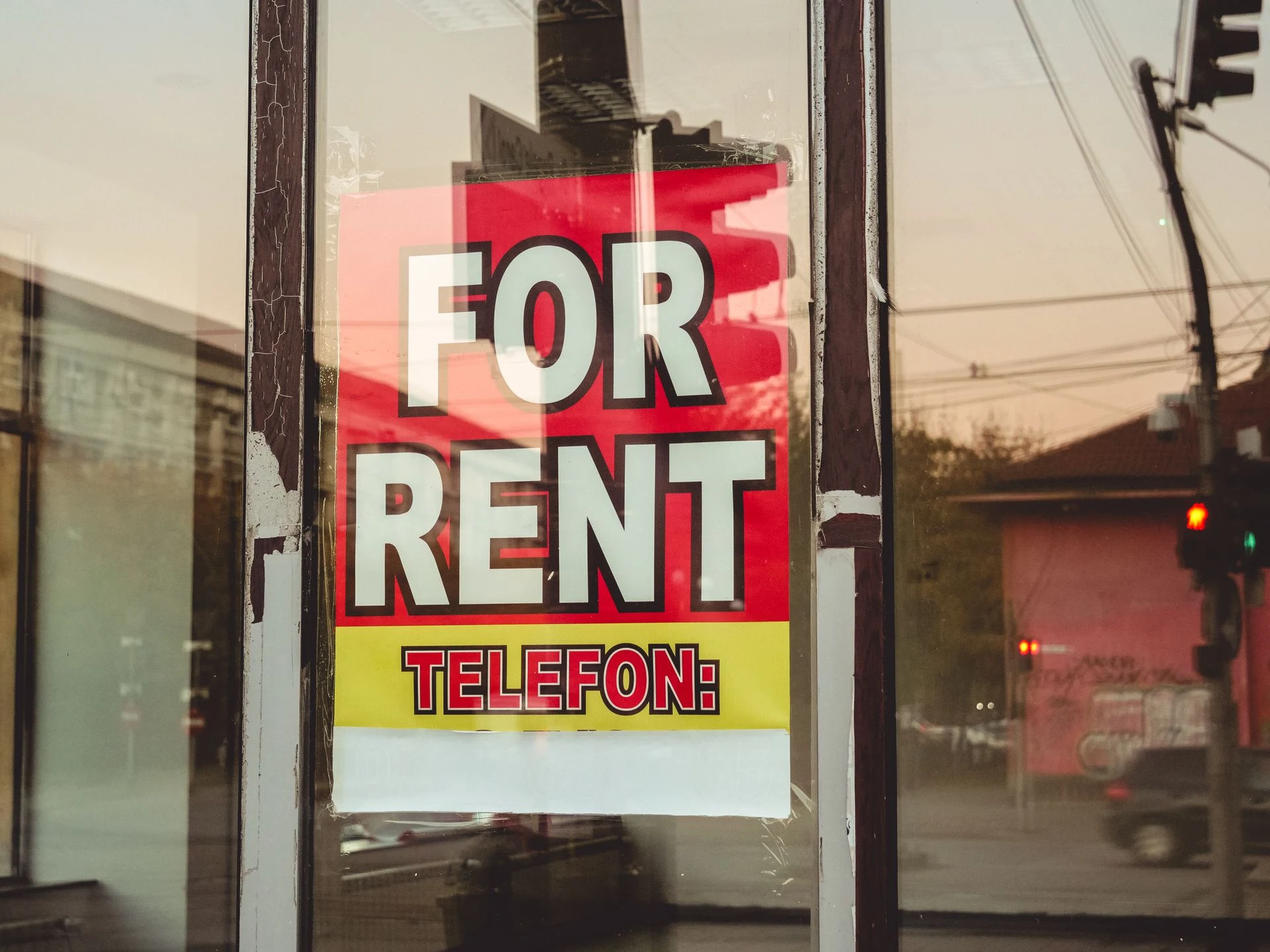
Commercial Leases in Turkey: Rights of Business Tenants and What to Negotiate
A lease of a shop, office, restaurant or other roofed workplace in Turkey (Türkiye) is governed by the same protective regime as a residential lease. The landlord cannot end the lease merely because its term has expired: unless the tenant gives notice at least fifteen days before the end of the term, the lease is extended for one year on the same conditions, and this continues year after year; only after ten years of extensions may the landlord terminate without giving a reason, on three months' notice (Turkish Code of Obligations No. 6098, Art. 347). Rent increases on renewal are valid only up to the twelve-month average change in the consumer price index (Art. 344), and a business tenant may transfer the lease with the landlord's written consent, which the landlord cannot withhold without just cause (Art. 323).
For a foreign entrepreneur opening premises, the lease is usually the largest long-term commitment after staff — and it is typically signed on the landlord's standard form, in Turkish, within a day. This guide explains what the law guarantees regardless of the form, what can and should be negotiated, the tax on rent, and how leases end.
- Automatic extension: one year at a time, on the same terms; the landlord has no right to terminate at term-end for the first ten extension years.
- Tenant's exit: notice fifteen days before the term ends; early exit only under the contract or the general rules.
- Rent increase cap: the twelve-month average CPI change; after five years the court can reset the rent.
- Foreign-currency rent: restricted between Turkish residents by currency-protection rules; where allowed, no change for five years.
- Deposit: at most three months' rent (Art. 342).
- Transfer of lease: with written consent, which cannot be refused without just cause for workplace leases; the outgoing tenant remains jointly liable for up to two years.
- Default: thirty days' written notice before termination for unpaid rent (Art. 315).
- Disputes: mandatory mediation, then the civil court of peace.
Legal status of this guide. It reflects the Code of Obligations as in force; the transitional postponement of several provisions for merchant tenants ended on 1 July 2020, so they now apply to all workplace leases. Withholding and stamp duty rates and the rules on foreign-currency contracts are set by tax and currency legislation that changes. Shopping-centre leases raise additional issues under retail trade legislation. Last updated: October 2026.
In this guide
- What counts as a workplace lease
- Before signing
- Term and renewal
- Rent and increases
- Tax and costs
- Fit-out, repairs and alterations
- Transfer, sublease and sale of the business
- Sale of the property
- How the landlord can end the lease
- How the tenant can end the lease
- Disputes
- Frequently asked questions
What counts as a workplace lease
- Roofed workplace (çatılı işyeri): a covered premises let for business use — shop, office, warehouse, factory, restaurant, clinic, hotel building. The special provisions on residential and roofed workplace leases (Arts. 339–356) apply.
- Not covered: open land, car parks without structures and similar are governed by the general lease provisions, with far less protection — the landlord can terminate at term-end by notice. Where land is let with buildings of real economic importance, courts treat it as a roofed workplace.
- Short temporary lets of up to six months for temporary use are excluded.
- Usufruct-type leases (ürün kirası) — where a going concern with its equipment, licence and goodwill is let, such as a hotel or petrol station operated as a business — follow different rules.
- The tenant's status does not matter: individual, Turkish company or foreign-owned company.
Before signing
- Who is the landlord? Check the land registry record: owner, co-owners, mortgage, attachments, usufruct. A lease signed by one of several co-owners without the required majority, or by a tenant purporting to sublet without consent, is exposed.
- Permitted use. The unit's registered type and the building's management plan must allow your business: a restaurant, bar, bakery or workshop cannot be opened in a unit registered as a dwelling without the unanimous consent of the owners, and the municipality will not issue a business licence against the registry and occupancy records. See our guide to building rules and neighbours.
- Business licence (işyeri açma ve çalışma ruhsatı). Confirm with the municipality that a licence can be obtained for that address and activity — occupancy certificate, fire safety, chimney and ventilation, parking, distance rules for alcohol sales. Make the lease conditional on the licence, or negotiate a rent-free period until it issues.
- Earthquake and urban transformation risk. A risky-building determination ends the tenancy. See urban transformation.
- Previous tenant. "Key money" (hava parası) paid to an outgoing tenant or the landlord for goodwill is not protected by law and is not recoverable when the lease ends.
- Language. Obtain a full translation. The Turkish text binds.
- Signatory. Sign in the company's name by its authorised signatory. A director who signs personally, or as guarantor, takes on personal liability; a guarantee must meet the strict form of the Code — amount, date and joint liability in the guarantor's handwriting — and is limited in time. See guarantor liability.
Term and renewal
- Fixed term. Parties usually agree one to ten years. Whatever the term, at its end the lease continues unless the tenant gives notice fifteen days before expiry.
- The landlord's position. "The landlord cannot terminate the contract on the ground that the term has expired." After the end of the ten-year extension period — that is, ten years after the original term ran out — the landlord can terminate without reason, by notice at least three months before the end of any subsequent extension year (Art. 347(1)). For a five-year lease, that right arises after fifteen years.
- Indefinite leases. The tenant may terminate at any time by notice under the general rules; the landlord only after ten years from the start (Art. 347(2)).
- Same conditions. In each extension the terms continue except the rent, which is adjusted within the statutory limits. The Code prohibits changes to the tenant's detriment other than the determination of rent (Art. 343).
- Annotation. A lease can be annotated in the land register, which makes it binding on later owners for its term. Tenants investing heavily in fit-out should require it.
- Notice in writing. Termination notices for these leases are valid only in writing.
Rent and increases
- Renewal increases. Agreements on the rent for renewed periods are valid provided they do not exceed the rate of change in the consumer price index according to twelve-month averages in the previous rental year. The rule applies to leases longer than a year as well (Art. 344(1)). A clause promising "CPI plus ten points" or a fixed percentage is enforced only up to the cap.
- No agreement. The judge fixes the increase, not above that rate, taking the condition of the premises into account.
- After five years. At the end of each five-year period — and in leases longer than five years — the judge can set the rent for the new year by reference to the index, the condition of the property and comparable rents, in equity, whether or not the parties had an increase clause. This is how a landlord catches up with the market; tenants should expect it.
- Rent determination action (kira tespit davası) can be brought at any time. The rent set by the court binds the tenant from the start of the new period if the action is filed, or the landlord's written notice of increase is served, at least thirty days before that period begins; where the contract has an increase clause, an action brought before the end of the new period has effect from its start (Art. 345).
- Foreign-currency rent. Under the currency-protection decree, leases of real estate in Turkey between persons resident in Turkey cannot, as a rule, be priced in or indexed to foreign currency; exceptions exist, including where the tenant or landlord meets certain foreign-status criteria. Where a foreign-currency rent is lawfully agreed, it cannot be changed for five years, subject to the hardship rule (Art. 344(4)).
- Turnover rent — a base rent plus a percentage of sales — is common in shopping centres and valid; the statutory cap applies to the fixed element on renewal.
- No penalties. The tenant cannot be bound to any payment other than rent and ancillary costs; penalty clauses for late payment and clauses accelerating future rent are invalid (Art. 346). Default interest remains due.
- Deposit. Not more than three months' rent, to be held in a blocked bank account. See our guide to rental deposits.
Tax and costs
- Withholding. A business tenant paying rent to an individual landlord must withhold income tax from the gross rent at the rate in force and pay it to the tax office with its withholding return; the landlord receives the net. Agree in the lease whether the stated rent is gross or net — the difference is a fifth of the rent at the long-standing rate.
- VAT. If the landlord is a company or the property is part of a business, the rent is invoiced with VAT, which the tenant recovers as input tax. Lettings by individuals of their private property are exempt.
- Stamp duty is charged on the lease as a percentage of the total rent for the whole term, per signed original; longer terms cost more, and the parties are jointly liable. Leases of workplaces to certain small traders are exempt.
- Payment through a bank. Workplace rent must be paid through a bank or the postal administration, whatever the amount; cash payments are fined.
- Ancillary costs. The tenant bears utilities and ordinary running expenses; the landlord bears property tax, insurance of the building and extraordinary expenses, unless shifted to the tenant within what the Code allows.
- Shopping centres. Common-area and marketing charges are regulated by retail legislation, which limits what may be passed on and requires transparency.
- Agent's commission: customarily one month's rent plus VAT.

Fit-out, repairs and alterations
- Landlord's duty: to deliver the premises fit for the agreed use and keep them so. Defects that prevent or impair use entitle the tenant to demand repair, reduce the rent, claim damages and, for serious defects, terminate.
- Tenant's alterations require the landlord's written consent. A landlord who consented cannot demand reinstatement unless that was agreed in writing; the tenant cannot claim compensation for the added value unless agreed in writing. Put both points into the lease — who owns the fit-out, and whether the unit is to be returned as a shell.
- Ordinary cleaning and minor maintenance are the tenant's; structural repairs the landlord's.
- Landlord's works. The landlord may renovate only if the lease can reasonably continue; the tenant's rights to a rent reduction and damages are reserved.
- Rent-free fit-out period. Negotiate it, and state when rent and the term begin.
- Signage, extraction, terraces touch common areas and need the building's consent as well as the landlord's.
- Insurance. Tenant's contents, liability and business-interruption cover; the landlord's policy does not protect the tenant's investment.
Transfer, sublease and sale of the business
- Transfer of the lease. The tenant cannot transfer the lease without the landlord's written consent — but "in workplace leases the landlord cannot refrain from giving this consent without just cause" (Art. 323). The transferee replaces the tenant; the transferor is released towards the landlord but remains jointly liable with the transferee until the lease ends and for at most two years.
- Just cause for refusal: the proposed tenant's insolvency, an incompatible or prohibited use, a competitor of the landlord's own business in the building. A landlord who refuses without cause can be taken to court for the consent.
- Sublease. In residential and roofed workplace leases the tenant cannot sublet or transfer the right of use without the landlord's written consent (Art. 322). Unlike transfer, there is no rule that consent cannot be unreasonably withheld — so negotiate sublease rights in the lease if you may need them (franchisees, group companies, concession stands).
- Selling the business. A buyer of the business needs the premises. Structure the sale either as a share sale — the tenant company stays the same and no consent is needed unless the lease has a change-of-control clause — or as a business transfer with the landlord's consent to the lease transfer as a condition. See our guide to share transfers.
- Change of company type or merger passes the lease by universal succession.
Sale of the property
- If the property changes hands, the new owner becomes party to the lease (Art. 310).
- New owner's need. A new owner who needs the premises for his or her own, spouse's, descendants', ascendants' or dependants' use as a home or workplace can terminate by suing six months after acquisition, provided written notice was given to the tenant within one month of acquisition; or may wait and sue within one month after the lease term ends (Art. 351).
- Annotation of the lease in the land register protects against this for the annotated period.
- Re-letting ban. A landlord who evicted for need or reconstruction cannot let the premises to anyone else for three years without just cause; breach entitles the former tenant to compensation of not less than one year's rent.
How the landlord can end the lease
| Ground | Conditions |
|---|---|
| Unpaid rent or ancillary costs (Art. 315) | Written notice giving at least thirty days; if unpaid, termination and eviction through enforcement or court |
| Two justified notices (Art. 352) | Two written notices for late rent within one rental year; action within one month after the end of that year or term |
| Written undertaking to vacate (Art. 352) | Given by the tenant after taking possession, for a specific date; enforcement or action within one month of that date |
| Landlord's genuine need (Art. 350) | Need for own or close family's use as home or workplace; action at term-end |
| Reconstruction (Art. 350) | Substantial repair, extension or alteration making use impossible; former tenant has priority to re-let at the new rent |
| Breach of duty of care and respect to neighbours (Art. 316) | Written notice with thirty days to remedy; immediate termination if intolerable |
| Ten-year extension period expired (Art. 347) | Three months' notice before the end of an extension year; no reason needed |
| Extraordinary termination for important reasons (Art. 331) | Circumstances making continuation intolerable; court decides the financial consequences |
- These grounds are exhaustive; a clause adding others to the tenant's detriment is invalid.
- Undertakings signed with the lease. An eviction undertaking signed on the same day as the lease, or left undated and filled in later, is treated as not given freely and is invalid; one signed after the tenant took possession is enforceable. Do not sign blank or undated undertakings.
- Insolvency of the tenant entitles the landlord to demand security for future rent and to terminate if it is not given.
For the procedure in detail, see our guide to eviction in Turkey.
How the tenant can end the lease
- At term-end: written notice at least fifteen days before the term, or any extension year, ends.
- Early return (Art. 325). A tenant who hands back the premises before the term remains liable for rent for the reasonable period in which the premises could be re-let on similar terms. The tenant is released by proposing a replacement tenant who is solvent and whom the landlord can reasonably be expected to accept. Courts commonly assess the "reasonable period" at a few months, depending on the market.
- Break clause. Negotiate a contractual right to terminate early on notice — particularly valuable for a new business.
- Defects not remedied after notice; important reasons making the lease intolerable; hardship — an extraordinary, unforeseeable change that makes performance unconscionable allows the tenant to ask the court to adapt the contract or, failing that, to terminate.
- Handover: a signed record, meter readings, return of keys, and reinstatement only as agreed.
Disputes
- Mediation. Since 1 September 2023, disputes arising from lease relationships — except eviction through enforcement without judgment — require an application to a mediator before a lawsuit.
- Court. The civil court of peace hears all lease disputes regardless of amount and of the parties' commercial status.
- Enforcement. Unpaid rent can be pursued through enforcement proceedings with an eviction request; the tenant has a short period to object or pay. See our guide to payment orders.
- Arbitration clauses are of limited use: eviction disputes over protected leases are not regarded as arbitrable.
- Notices between merchants should go through a notary or registered electronic mail.
- Foreign tenants can act through a lawyer; see suing in Turkey as a foreigner.
About to sign a lease for business premises in Turkey, or in dispute with a landlord? Send the draft lease or the notice you received. Message Yayla Law on WhatsApp or use the contact form. We review the terms against the law, negotiate the points that matter and represent you in mediation and court.
Frequently asked questions
Can the landlord refuse to renew my commercial lease when the term ends?
No. The lease is extended year by year unless the tenant gives notice. The landlord can terminate without reason only after ten extension years, on three months' notice.
How much can the rent be increased each year?
Not more than the twelve-month average change in the consumer price index. After five years the court can reset the rent by reference to comparable rents.
Can rent be agreed in euros or dollars?
Between Turkish residents, generally not, subject to exceptions in the currency rules. Where it is lawful, the rent cannot be changed for five years.
Can I transfer my lease to the buyer of my business?
Yes, with the landlord's written consent, which cannot be refused without just cause. You remain jointly liable for up to two years.
Can I sublet part of the premises?
Only with the landlord's written consent.
Who pays the withholding tax on rent?
The business tenant withholds it from an individual landlord's rent and pays it to the tax office. Agree whether the rent is gross or net.
I want to leave before the term ends. What do I owe?
Rent for the reasonable period needed to re-let, unless you present an acceptable replacement tenant or have a break clause.
The landlord asked me to sign an eviction undertaking with the lease. Is it valid?
An undertaking signed at the same time as the lease is invalid. One given after you took possession is enforceable.
The building was sold. Can the new owner evict me?
Only for genuine need, with notice within one month of acquisition and an action after six months, unless your lease is annotated in the land register.
Legal basis and sources
- Turkish Code of Obligations No. 6098, Articles 299–356, in particular 310, 315, 316, 321–323, 325, 331, 339–352 — official consolidated text at mevzuat.gov.tr.
- Law on Mediation in Civil Disputes No. 6325, Article 18/B; Code of Civil Procedure No. 6100, Article 4.
- Income Tax Law No. 193, Article 94; Stamp Duty Law No. 488; Decree No. 32 on the Protection of the Value of Turkish Currency.
- Law No. 6585 on the Regulation of Retail Trade; Condominium Law No. 634, Article 24.
This article provides general legal information on Turkish law as of October 2026. It is not legal or tax advice. Have a lease reviewed before signing.