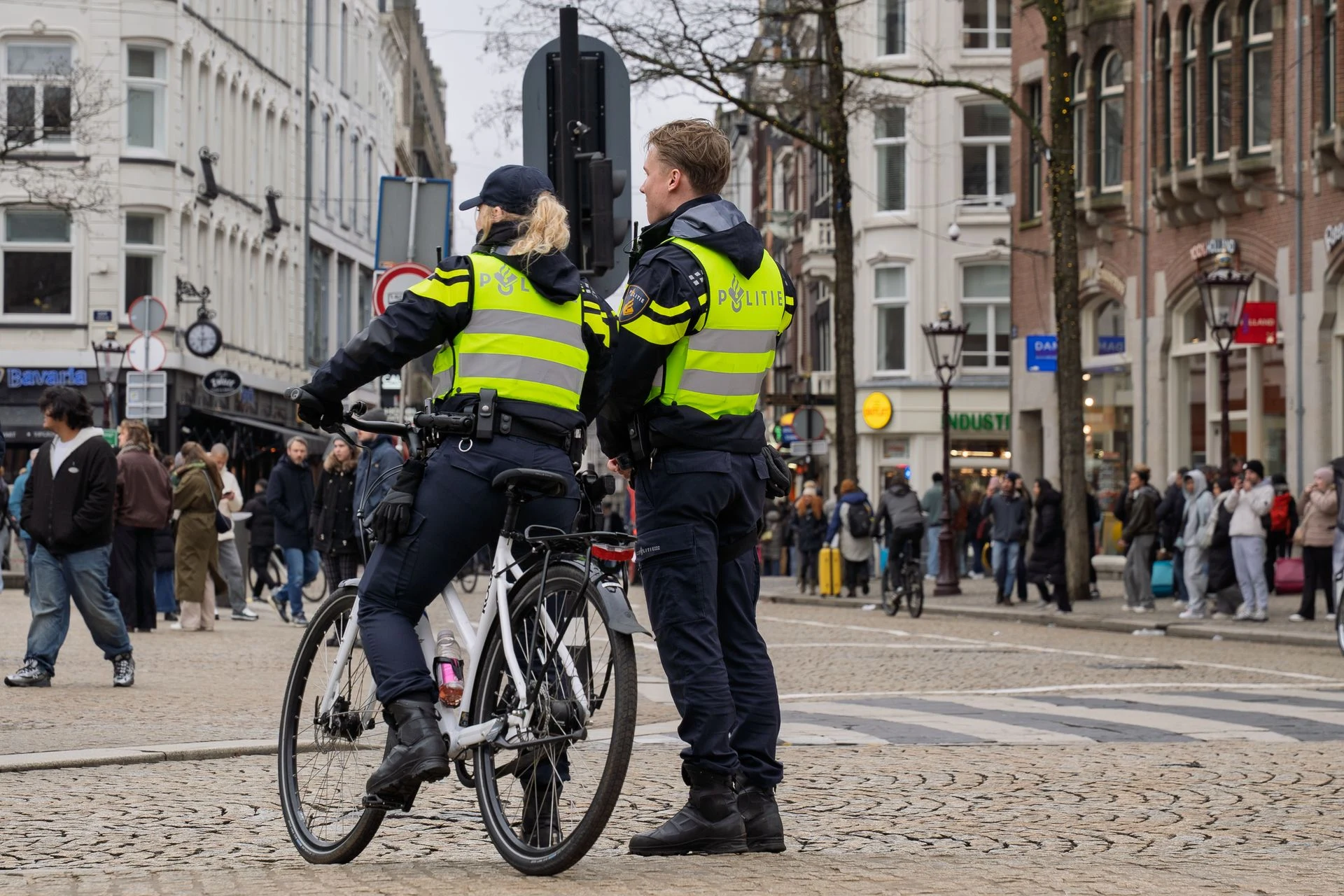
Resisting or Insulting Police in Turkey: The Offences, Your Rights and Defence
Using force or threats against a public officer in Turkey (Türkiye) in order to prevent the officer from performing a duty is a criminal offence punished with six months' to three years' imprisonment (Turkish Penal Code No. 5237, Art. 265). The penalty is two to four years where the officer performs a judicial function, is increased by one third where the act is committed by several people together, and by one half where a weapon is used. Insulting a public officer because of his or her duty carries a minimum of one year (Art. 125(3)(a)). Refusing to give your identity when lawfully asked is not a crime but a misdemeanour with a small fine — though a person whose identity cannot be established may be held until it is (Misdemeanours Law No. 5326, Art. 40).
These charges rarely stand alone. They are added when a routine encounter — an identity check, a traffic stop, a noise complaint, a bar dispute — turns into an argument, and they are the reason a minor incident ends in a courtroom. This guide explains what the police may lawfully ask, what conduct amounts to resistance or insult and what does not, what to do when you believe the police are acting unlawfully, and how these cases are defended.
- Resisting (Art. 265): force or threat, with the aim of preventing a duty; six months to three years.
- Not resistance: verbal objection, passive non-cooperation, filming, asking for reasons.
- Insulting an officer on account of duty: at least one year; prosecuted without complaint.
- Identity: police may stop and ask for identification on reasonable grounds; foreigners must be able to show a passport or residence document.
- Injury caused while resisting is punished separately, with aggravation because the victim is a public officer.
- Unlawful police action: complain afterwards; excessive force by an officer is punished under the injury provisions (Art. 256).
- Detention before trial is possible for Article 265; judicial control is common.
- Foreigners: a conviction is weighed in public-order assessments for residence and deportation.
Legal status of this guide. It reflects the Turkish Penal Code, the Misdemeanours Law, the Law on Police Duties and Powers No. 2559 and the Criminal Procedure Code No. 5271 as in force. Where the line falls between passive conduct and "force", and whether the officer was performing a lawful duty, are decided on the evidence in each case; statements about typical outcomes describe patterns, not guarantees. Last updated: October 2026.
In this guide
- What the police may ask of you
- Identity checks and foreigners
- The offence of resisting
- What is not resisting
- Insult, threat and injury
- Related misdemeanours
- If the police act unlawfully
- Arrest, custody and court
- Defence points
- Sentencing and alternatives
- Consequences for foreigners
- Frequently asked questions
What the police may ask of you
- Stop and question. Police may stop a person or vehicle where there is a reasonable ground based on experience and the impression drawn from the situation — to prevent an offence, to identify perpetrators, to catch a wanted person, or to prevent a danger. The stop may last only as long as needed for its purpose.
- Identification. During a stop, police may ask for identity documents and ask questions related to the reason for the stop. Officers should identify themselves as police.
- Pat-down. Where there is sufficient suspicion of a weapon or dangerous object, a superficial search by hand over clothing and of items carried is allowed for safety. Opening clothing, or searching the inside of a vehicle not visible from outside, requires the conditions of a formal search.
- Searches. A judicial search needs a judge's decision or, in urgent cases, the prosecutor's written order; preventive searches in public places need a judge's decision or, where delay is dangerous, the administrative authority's written order. Homes have stricter protection. See our guide to police searches and phone seizure.
- Apprehension. Police may apprehend a person caught in the act of an offence, a wanted person, or a person who poses a danger to self or others.
- Use of force. Police may use physical force, material force and, as a last resort and under strict conditions, weapons, in a graduated manner proportionate to the resistance, after warning where possible.
- Orders. A person must comply with lawful orders to stop, to step out of a vehicle, to move on from a secured area or to accompany officers to the station when apprehended.
Identity checks and foreigners
- Carry identification. Foreigners should carry the passport, or the residence or work permit card, or the international protection or temporary protection document. A photograph on a phone is often accepted in practice but is not a right; officers can require the original.
- If you cannot prove identity, police may take you to the station to establish it. Under the police powers law, a person whose identity cannot be determined may be held until it is, with the prosecutor informed.
- Refusing to state identity or giving false details to a public officer who asks in connection with a duty is a misdemeanour: an administrative fine is imposed by the officer; and "a person whose identity cannot be determined because he refrains from making a statement or gives false information is held, and the prosecutor is informed at once. This person is taken into custody, and if necessary detained, until his identity is clearly established" (Misdemeanours Law, Art. 40).
- Giving another person's identity to avoid an investigation is a crime, not a misdemeanour. See our guide to false documents and identity.
- Immigration status. An identity check that reveals an expired visa or permit leads to referral to the migration authority. See overstaying.
The offence of resisting
"A person who uses force or threat against a public officer in order to prevent him from performing his duty is punished with imprisonment from six months to three years" (Art. 265(1)).
Elements
- A public officer — police, gendarmerie, municipal officers, bailiffs, inspectors, health staff in public service, and others exercising public authority.
- Performing a duty at the time, within his or her competence. An officer acting wholly outside any duty, or in a manifestly unlawful way, is not protected by this article — a point discussed below.
- Force or threat. Physical force directed at the officer — pushing, striking, pulling away while grappling, kicking, biting, driving at an officer — or a threat of harm.
- Purpose. The force or threat must aim to prevent the duty. Violence after the duty is finished, out of anger, is injury or threat, not resisting.
Aggravated forms
| Circumstance | Penalty |
|---|---|
| Against persons performing a judicial function — judges, prosecutors, and those acting in that capacity | Two to four years (Art. 265(2)) |
| Committed by a person who has made himself unrecognisable, or by more than one person together | Increased by one third (Art. 265(3)) |
| With a weapon, or by exploiting the intimidating power of an existing or supposed criminal organisation | Increased by one half (Art. 265(4)) |
| Where aggravated forms of intentional injury result | The injury provisions apply in addition (Art. 265(5)) |
- Several officers. Resisting two officers in one incident is commonly treated as offences against each, with one sentence increased under the rules on multiple victims.
- "Weapon" includes anything used as one: a bottle, a belt, a vehicle. See our guide to knives and weapons.
What is not resisting
- Words of objection. Saying "this is unlawful", "I do not consent", "I want a lawyer", asking for the officer's name or number, or asking why you are being stopped.
- Passive conduct. Sitting down, going limp, refusing to walk, holding on to a fixed object without directing force at the officer. Courts distinguish passive resistance from the active force the article requires — though the line is thin, and pulling an arm free can be described as force in a police report.
- Running away without using force against anyone.
- Refusing to answer questions beyond identity. The right to silence applies.
- Filming. Recording police performing duties in a public place is not in itself an offence. It becomes a problem if it obstructs the operation, if the footage is published in a way that violates privacy or exposes officers engaged in counter-terrorism duties, or if the person refuses a lawful order to move back. Do not physically resist an attempt to take the phone; object and complain afterwards.
- Criticism. Harsh criticism of how a duty is being performed is protected expression; abuse directed at the person is insult.
Practical advice is unromantic: comply physically, object verbally and calmly, remember details, and challenge later through a lawyer. The street is the worst place to litigate the lawfulness of a stop.

Insult, threat and injury
- Insult. Attacking a person's honour, dignity and reputation by attributing a concrete act or by swearing is punished with three months to two years or a judicial fine; where committed against a public officer because of his or her duty, the minimum is one year, and where committed publicly the penalty is increased by one sixth (Art. 125). The ordinary offence is complaint-based and now subject to the prepayment procedure; the aggravated form against a public officer is prosecuted without complaint. Swearing in a foreign language counts if understood or later translated. See our guide to insult offences in Turkey.
- Threat. Threatening an officer with harm to prevent a duty is within Article 265; a threat for another reason is the separate offence of threat.
- Injury. Intentional injury of a public officer because of the duty is an aggravated form of injury, prosecuted without complaint, with the penalty increased by half. The basic penalty for intentional injury was raised in 2025. Where an officer is injured during resistance, both offences are charged.
- Damage to a police vehicle or equipment is aggravated damage to public property.
- Combination. A typical indictment after a late-night incident lists resisting, insult and injury together. Each must be proved separately.
Related misdemeanours
| Conduct | Provision | Consequence |
|---|---|---|
| Refusing to state identity or address, or giving false information | Misdemeanours Law, Art. 40 | Administrative fine; held until identity is established |
| Disobeying a lawful order given for judicial reasons or to protect public security, order or health | Art. 32 | Administrative fine, where a law expressly refers to this article |
| Being drunk and disturbing the peace of others | Art. 35 | Administrative fine; kept under control until the effect passes |
| Causing noise that disturbs others | Art. 36 | Administrative fine, higher for businesses |
| Disturbing public order by brawling or similar conduct | Police powers and misdemeanour provisions | Administrative fine |
- Administrative fines are challenged before the criminal judgeship of peace within fifteen days of notification, and are reduced by a quarter if paid within the payment period.
- A misdemeanour is not a criminal conviction and does not appear in the criminal record.
If the police act unlawfully
- Is there a right to resist an unlawful act? Article 265 protects the performance of a duty. Where the officer's act is manifestly outside the law, the conduct of the person concerned is assessed under the rules on self-defence and unjust provocation rather than as resistance to a duty. Courts apply this narrowly: procedural irregularities do not justify force, and the safer legal position is always non-violent objection.
- Excessive force. "Where a public officer authorised to use force uses force against persons, while performing his duty, beyond the measure required by the duty, the provisions on intentional injury apply" (Art. 256). Torture and ill-treatment are separate, grave offences with no limitation period for torture.
- Medical report. Every person taken into custody is examined by a doctor on entry and exit. Tell the doctor about every injury and how it happened; ask that it be written; ask for officers to leave the room. Photograph injuries as soon as you can.
- Complaint. File a complaint with the public prosecutor — not with the police unit concerned — naming the time, place, officers' descriptions and witnesses, and asking that CCTV, body-camera and station footage be secured at once. Investigations of officers for offences committed in the course of judicial duties are conducted directly by the prosecutor.
- Counter-charges. A complaint of ill-treatment is frequently met with a resisting charge, and the two files are examined together. Independent evidence — video, medical findings, neutral witnesses — decides them.
- Compensation. Unlawful apprehension or custody gives a claim against the State; injury by excessive force gives claims in the administrative courts. See our guide to compensation for wrongful detention.
- Further remedies: the Ombudsman, the human rights institution, and an individual application to the Constitutional Court after domestic remedies. See individual applications.
Arrest, custody and court
- Custody. After apprehension the prosecutor decides on custody, for up to twenty-four hours for ordinary individual offences, extendable in defined cases. You must be told the reason and your rights in a language you understand, may notify a relative and, as a foreigner, your consulate.
- Lawyer. You may see a lawyer at any time and have one present at the statement; one is appointed free of charge on request.
- Statement. You may remain silent. In these cases the police are the complainants and the witnesses; what you say at the station will be read against their report. Give your account once, with a lawyer and interpreter, and include the facts that matter: what you were told, what force was used, who was present, where cameras are.
- After the statement the prosecutor releases or refers to the judge with a request for judicial control or detention. Detention is legally available for Article 265; for first offenders with a fixed address it is uncommon, and judicial control — reporting, travel ban — more usual.
- Trial in the criminal court of first instance. The officers testify; the defence can ask for footage, call witnesses and question the officers.
See our guides to rights on arrest, legal aid and judicial control.
Defence points
- Was there force or threat? Reports often use the formula "resisted". The court needs specific acts: who did what to whom. Passive conduct, verbal protest and flight are not enough.
- Was it aimed at preventing a duty? A reaction after the event is a different, usually lesser, offence.
- Was the officer performing a lawful duty within his competence? Was there any ground for the stop? Did plain-clothes officers identify themselves? A person who did not know he was dealing with police lacks intent.
- Video. Request station, street, shop and body-camera footage immediately; retention periods are short.
- Medical evidence on both sides: the absence of any injury to the officer, and the presence of injuries on the accused.
- Consistency of the officers' accounts with each other and with the report written at the time.
- Insult: the exact words, in which language, heard by whom, and whether they were directed at the officer because of the duty or were general exclamations.
- Unjust provocation. Where the accused reacted in anger or distress caused by an unjust act, the penalty is reduced by a quarter to three quarters; for insult committed in reaction to an unjust act, the court may reduce or waive the penalty.
- Intoxication voluntarily induced does not excuse.
- Interpreter. A statement taken without adequate interpretation, or a record the accused could not read, can be contested.
Sentencing and alternatives
- Range. For a single basic offence without aggravation, sentences near the minimum are usual for first offenders, with discretionary reduction for conduct at trial.
- Deferral of the announcement of the verdict for sentences of two years or less, where the conditions are met: no conviction arises if the supervision period passes without a new intentional offence. See our guide to deferred verdicts.
- Suspension or conversion to a judicial fine of short sentences. See judicial fines.
- No mediation. Offences against public officers in the performance of duty are outside victim–offender mediation.
- Record. A conviction is entered in the criminal record until deletion conditions are met. See criminal records.
- Appeal within two weeks. See criminal appeals.
Consequences for foreigners
- Residence. A conviction or pending case for an offence against public order is considered at permit extension and can support a finding that the person poses a threat to public order.
- Deportation. The migration authority may open deportation proceedings independently of the criminal case; the decision can be challenged in the administrative court within seven days. See our guides to deportation after conviction and deportation appeals.
- Travel. A judicial travel ban keeps a tourist in Turkey until lifted. Leaving while a case is pending without a ban is possible, but summonses must be answered through a lawyer.
- Citizenship applications weigh such records under the good-conduct condition.
Charged with resisting or insulting police in Turkey — or ill-treated during an arrest? Send the charge sheet or describe what happened and where. Message Yayla Law on WhatsApp or use the contact form. Footage is overwritten within days; early action matters.
Frequently asked questions
What is the penalty for resisting police in Turkey?
Six months to three years' imprisonment, increased where several people act together or a weapon is used.
Is arguing with a police officer a crime?
No. Verbal objection is not resistance. Insults and threats are separate offences.
Do I have to show ID?
Yes, when lawfully asked. Refusing is a misdemeanour with a fine, and you can be held until your identity is established.
Can I film the police?
Filming in public is not in itself an offence, provided you do not obstruct the operation and follow lawful orders to step back.
What if the stop or arrest was unlawful?
Do not use force. Comply, object verbally and complain to the prosecutor afterwards, with medical and video evidence.
Is swearing at an officer an offence?
Yes. Insulting a public officer because of the duty carries a minimum of one year and is prosecuted without a complaint.
Will I be detained before trial?
Detention is possible but uncommon for a first offence; reporting obligations or a travel ban are more usual.
Can the case be settled with the officer?
No. These offences are outside mediation.
Will a conviction affect my residence permit?
It can. It is weighed in the public-order assessment and may lead to deportation proceedings.
Legal basis and sources
- Turkish Penal Code No. 5237, Articles 6, 29, 86, 94, 106, 125, 129, 256 and 265 — official consolidated text at mevzuat.gov.tr.
- Misdemeanours Law No. 5326, Articles 17, 27, 32, 35, 36 and 40 — mevzuat.gov.tr.
- Law No. 2559 on Police Duties and Powers, Articles 4/A, 5, 9, 13 and 16.
- Criminal Procedure Code No. 5271, Articles 90–99, 100, 109, 147–150 and 160–161.
This article provides general legal information on Turkish law as of October 2026. It is not legal advice. Each case turns on its evidence.