
Changing Your Name or Surname in Turkey: Court Procedure and Rules for New Citizens
A Turkish citizen can change a name only by court decision on justified grounds. The procedure, the options when acquiring citizenship, the name-equivalence certificate for dual nationals, and surnames in marriage and for children.

Self-Defence and Assault Charges in Turkey: When Force Is Lawful
Turkish law does not punish proportionate defence against an unjust attack, nor excess caused by fear. The conditions, the offence of intentional injury, mutual fights, the first statement and immigration consequences.

Robbed or Pickpocketed in Turkey? What to Do, How to Report and Your Rights
What to do after a theft or robbery in Turkey: reporting and getting the report copy, replacing a passport, blocking cards, how the offences are classified, the investigation and realistic routes to recovering losses.

Suing in Turkey as a Foreigner: Jurisdiction, Costs, Security and Procedure
Foreign individuals and companies can sue in Turkey without being present. Which court has jurisdiction, when security for costs is required, what it costs, how long it takes and how to secure and enforce the claim.

Maternity Leave in Turkey: The 24-Week Rule, Pay and Rights of Working Mothers
Since April 2026 female employees in Turkey have 24 weeks of maternity leave. How the weeks are counted, who pays, the half-time and unpaid leave that follow, protection against dismissal and points for foreign employees.

Being a Guarantor in Turkey (Kefalet): Validity, Liability and How It Ends
A personal guarantee in Turkey is valid only in strict written form and with the spouse's consent, is capped at the stated amount and lapses after ten years. When the creditor can pursue you, the defences and your recourse.

Closing a Company in Turkey: Liquidation Steps, Timeline and Owner Liability
A Turkish company must be formally liquidated and struck off; leaving it dormant creates personal exposure. The steps, the minimum timeline, the liquidators' duties, tax clearance and what owners remain liable for afterwards.

How to Renounce Turkish Citizenship: Conditions, Procedure and What You Keep
Turkish citizenship can be renounced only with permission, by an adult who has another citizenship and no military, criminal or financial obstacle. The procedure, the effect on family, the Blue Card and why naturalised citizens should take care.

Compensation for Wrongful Detention in Turkey: Claims After Acquittal or Release
A person held in custody or pre-trial detention in Turkey who is later acquitted or not prosecuted can claim compensation from the State. The grounds, the strict deadline, the forum after the 2024 reform and what foreigners must do.

Sexual Assault and Harassment in Turkey: Rights of Foreign Victims and How to Report
Foreign victims of sexual assault or harassment in Turkey have the right to a free lawyer, an interpreter and protection, whatever their status. The offences, first steps, reporting routes and what happens in court.

Leaving Your Assigned Province in Turkey: Travel Permits for Asylum Seekers and Refugees
International protection applicants and people under temporary protection may leave their province only with a travel permit. How to obtain one, how to move lawfully, and how to respond when a file is closed for a breach.

Apartment Maintenance Fees in Turkey (Aidat): Who Pays, Late Penalties and Your Rights
Every apartment owner in Turkey must contribute to common expenses, used or not. How the charge is set after the 2026 amendments, what happens if it is unpaid, tenant liability and how to challenge decisions.

How to Evict a Tenant in Turkey: A Landlord's Guide to Grounds and Deadlines
Residential leases in Turkey renew automatically and can be ended by the landlord only on statutory grounds. Each ground, its notice and one-month filing window, the procedure and the mistakes that cost landlords a year.

Enforcing Child Visitation in Turkey: What to Do When Contact Is Refused
A parent without custody has a right to contact, enforced since 2021 by court-based child specialists rather than bailiffs. How the procedure works, the sanctions, changing arrangements and options for parents living abroad.

Annulment of Marriage in Turkey: Grounds, Time Limits and How It Differs from Divorce
A marriage can be annulled in Turkey only by a court and on listed grounds, such as an existing marriage, deception or coercion. The grounds, the strict time limits, the effects on children, property and status.

Turkish Citizenship by Descent: Claiming Citizenship Through a Parent or Grandparent
A child of a Turkish mother or father is a citizen from birth, wherever born. How adults register, how the chain through a grandparent works, what happens if a parent lost citizenship, and the military service consequence.

Tax Residency in Turkey for Foreigners: The Six-Month Rule, Exceptions and Treaties
Foreigners settled in Turkey are taxed on worldwide income; others only on Turkish income. The domicile and six-month tests, the exceptions for temporary stays, how treaties decide, and what property owners must declare.

Criminal Record in Turkey for Foreigners: Certificates, Retention and Deletion
Convictions by Turkish courts are recorded for foreigners as for citizens. How to obtain a certificate from Turkey or abroad, how long entries last, what other records authorities see and how errors are corrected.

Military Service in Turkey for New Citizens and Dual Nationals: Who Is Exempt
Men who acquire Turkish citizenship at 22 or older, or who served in their home country, are deemed to have completed military service. The rules for younger sons, citizens by descent, dual nationals abroad and paid service.

Unpaid Debts in Turkey: Can You Go to Prison, and Can You Leave the Country?
Ordinary debts in Turkey are collected through enforcement offices, not prison, and do not stop you leaving. The exceptions, what creditors can seize, the effect of public debts on visas and how to deal with old debts.
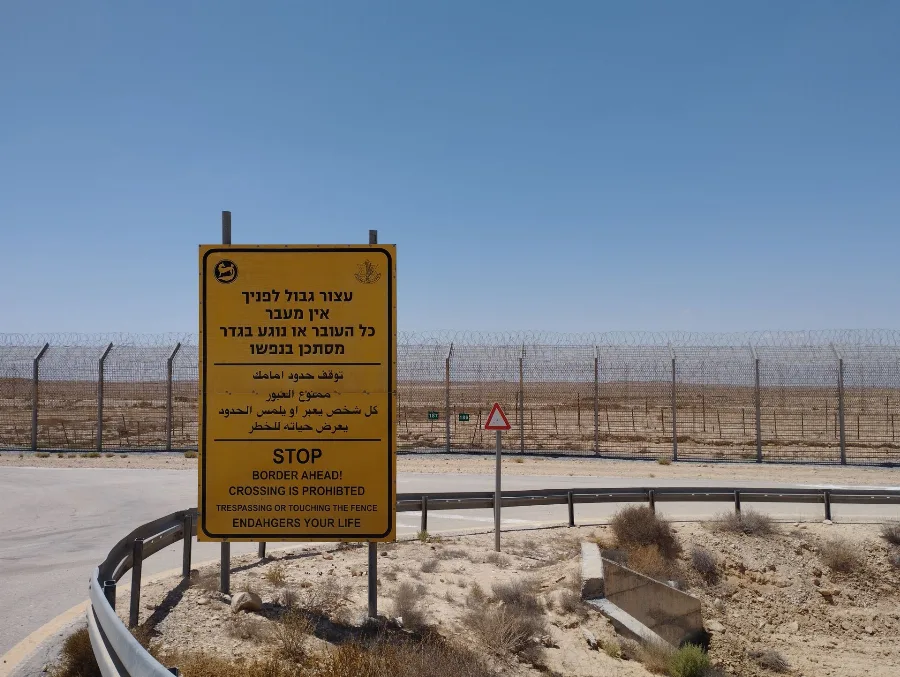
Illegal Entry into Turkey and Migrant Smuggling: Penalties, Deportation and Asylum
Crossing the border irregularly is an administrative offence for the migrant, while smuggling for benefit is a serious crime. The consequences, the asylum exemption, detention, and how passengers end up charged as smugglers.

Fake Residence Permits and Forged Documents in Turkey: Penalties and Defences
Using a forged official document in Turkey is a crime even if someone else made it, and leads to permit cancellation and deportation. The offences, the lack-of-knowledge defence and what to do if an agent deceived you.

Taking Antiques, Coins or Stones Out of Turkey: The Law Tourists Need to Know
Ancient coins, pottery fragments, fossils and stones are protected cultural property in Turkey and cannot be exported. What the law covers, what happens at the airport, and the defences available to tourists.

Workplace Accident in Turkey: Compensation and Rights of Foreign Workers
A worker injured in Turkey can claim social security benefits and compensation from the employer, registered or not. What counts as a work accident, the first steps, heads of damage and who can be sued.

Unfair Dismissal in Turkey: The Reinstatement Lawsuit and the One-Month Deadline
Employees with six months' service in a workplace of thirty or more can challenge a dismissal, but only by applying to a mediator within one month. The conditions, procedure, compensation and points for foreign workers.

Buying Off-Plan Property in Turkey: Buyer Rights, Cancellation and Late Delivery
Prepaid housing sales in Turkey are regulated by consumer law. The permit and contract-form requirements, completion guarantees, the buyer's exits, remedies for late delivery and defects, and a due diligence checklist.

Making a Will in Turkey as a Foreigner: Forms, Reserved Shares and Foreign Wills
Turkish law governs real estate in Turkey whatever the owner's nationality, and reserves fixed shares for close family. How to make a valid will, how much you can leave freely, and how a foreign will is treated.
Power of Attorney for Turkey: How to Give One from Abroad and What It Must Say
You can buy or sell property, sue or form a company in Turkey through a representative. The three ways to make a valid power of attorney, the authorities that must be spelled out, how to limit it and how to revoke it.

International Child Abduction and Turkey: Return of a Child Under the Hague Convention
Turkey applies the 1980 Hague Convention through Law No. 5717. How a parent applies for a child's return, how Turkish family courts decide, the grounds for refusal and the steps that prevent abduction.

Prisoner Transfer from Turkey: How a Foreign Inmate Can Serve the Sentence at Home
A foreigner sentenced in Turkey can apply for transfer to the home country once the judgment is final. The conditions, the procedure, how the sentence is enforced after transfer and whether transfer is the better option.

Driving in Turkey with a Foreign Licence: The Six-Month Rule, Exchange and Fines
A foreign driving licence is valid in Turkey for six months from entry; residents must exchange it. The exchange procedure, the 2026 fines, alcohol rules, police stops and what to do after an accident.

Insult, Defamation and Social Media Offences in Turkey: What Foreigners Should Know
Insulting someone in person, by message or online is a criminal offence in Turkey. What counts as insult, the heavier offences, the complaint and prepayment procedure, defences, and the consequences for foreigners.

How to Set Up a Company in Turkey as a Foreigner: Types, Steps and Liabilities
Foreigners can own 100% of a Turkish company. How to choose between a limited and a joint stock company, the incorporation steps, capital, liabilities, and why a company does not give a right to work or reside.

Extradition from Turkey and Interpol Red Notices: Procedure, Rights and Defences
A foreigner wanted abroad can be extradited from Turkey only after a court decision and presidential approval. Red notices, provisional arrest, the refusal grounds and the defence at each stage.

Individual Application to the Turkish Constitutional Court: A Guide for Foreigners
Foreigners can bring human-rights complaints to Turkey's Constitutional Court within thirty days of the final decision. The conditions, the form, interim measures that stop a deportation, and what the Court can order.

Legal Aid in Turkey for Foreigners: When You Can Get a Free Lawyer
Foreigners can obtain a lawyer without charge in criminal cases, as victims of serious offences, in asylum and deportation matters and through the bar's legal aid office. Each route, its conditions and its limits.

Alimony and Child Support in Turkey: Types, Amounts, Duration and Enforcement
Turkish law provides interim maintenance, indefinite poverty alimony, child support and family support. How each is awarded and changed, and how payment is enforced in Turkey and abroad.

Adoption in Turkey for Foreigners: Conditions, Step-Parent Adoption and Procedure
Adoption in Turkey is granted by a court after a year of care and a full investigation. The conditions for couples and single adopters, step-parent adoption, state-care placements and what foreign adopters must prove.

Paternity Lawsuit in Turkey: Establishing Fatherhood, DNA Tests and Time Limits
Fatherhood outside marriage is established in Turkey by recognition or by a court judgment. How the lawsuit works, what the DNA test decides, the time limits and the effects on support, inheritance and citizenship.

Can Turkish Citizenship Be Revoked? Cancellation, Withdrawal and Deprivation Explained
Naturalised citizens can lose Turkish citizenship if it was obtained by false statements, with consequences for family members and assets. The grounds, the procedure and how decisions are challenged.

Consumer Rights in Turkey for Foreigners and Tourists: Refunds, Returns and Complaints
Tourists and foreign residents have full consumer rights in Turkey. The remedies for defective goods and services, online purchases, travel services, and how the free complaint procedure works.

Short-Term Rental Law in Turkey: The Permit Rules for Airbnb-Style Lets
Letting a home in Turkey for up to 100 days requires a tourism rental permit and the consent of every owner in the building. The rules, the fines and what they mean for foreign owners.

Medical Malpractice in Turkey: A Guide for Foreign Patients
Foreign patients harmed by treatment in Turkey can claim against the doctor, the clinic and their insurers. How malpractice is distinguished from a complication, and how a claim is proved and pursued.

Car Accident in Turkey as a Foreigner: Compensation, Insurance and Time Limits
Foreigners injured on Turkish roads can claim against the vehicle's operator, driver and insurer. Liability rules, treatment costs, heads of damage, the insurer application and the time limits.

Drug Offences in Turkey: Penalties, Personal Use and What Foreigners Should Know
Turkish law separates drug trafficking from personal use, with very different consequences. The penalties, how courts tell use from supply, the procedure after arrest and the immigration effects.

Defrauded in Turkey? How to File a Criminal Complaint and Recover Your Money
Victims of fraud in Turkey can complain to the prosecutor in person, through a consulate or through a lawyer. What counts as fraud, how the investigation works and the routes to recovering money.

Victims of Human Trafficking in Turkey: Residence Permit, Protection and Your Rights
Turkish law gives trafficking victims a special residence permit, protection from deportation and support services, whatever their immigration status. How to recognise trafficking and reach protection.

Deportation After a Criminal Conviction in Turkey: What Happens When the Sentence Ends
A Turkish criminal court does not deport. After the sentence, the migration authorities assess the case and may issue a deportation order that can be appealed. What to expect and how to prepare.

Temporary Protection in Turkey: Rights, Limits and How the Status Ends
Temporary protection gives Syrians in Turkey a right to stay and access to services, but it is not a residence permit and builds no path to citizenship. What the status allows, and how it ends.

Enforcing a Foreign Court Judgment in Turkey: Conditions, Procedure and Reciprocity
A foreign money judgment is executed in Turkey only after a Turkish court declares it enforceable. The conditions, the reciprocity question, the procedure and how to secure the debtor's assets.

Payment Order From a Turkish Enforcement Office: The 7-Day Objection Explained
In Turkey a creditor can start enforcement without a court judgment, and the debtor has seven days to object. How to object, what follows, and the remedies when the deadline has passed.

Arrested in Turkey as a Foreigner: Your Rights in Custody and Before the Judge
A foreigner arrested in Turkey has the right to silence, a lawyer, an interpreter and consular notification, and must be brought before a judge within strict time limits. What happens at each stage.

Judicial Control and Travel Bans in Turkey: How Long They Last and How to Lift Them
A Turkish court can ban a suspect from leaving the country instead of detaining them. The obligations, the time limits introduced in 2021, how to have a ban lifted and how to stay legal meanwhile.

Foreign Employee Rights in Turkey: Dismissal, Severance Pay and Unpaid Wages
Turkish labour law protects foreign employees on the same terms as Turkish ones. Notice periods, severance pay, the one-month deadline to challenge dismissal and what happens to the work permit.

Inheritance Law in Turkey for Foreigners: Heirs, Wills and Property
Real estate in Turkey passes under Turkish inheritance law whatever the owner's nationality. Who inherits, what a will can change, how heirs obtain title and how to reject an indebted estate.

Matrimonial Property and Prenuptial Agreements in Turkey: A Guide for International Couples
By default, spouses in Turkey share the value of what each acquired during the marriage. How the claim is calculated, how to choose another regime and which law governs international couples.

Getting Married in Turkey as a Foreigner: Documents, Procedure and Legal Effects
Foreigners can marry in Turkey in a civil ceremony before a marriage officer. The documents each party needs, the procedure, and what marriage means for property, residence and citizenship.

Child Custody in Turkey for Foreign Parents: How Courts Decide, Contact Rights and Relocation
Turkish courts decide custody on the child's best interests, not the parents' nationality. A guide to custody, contact, child support, relocation abroad and the Hague Convention for foreign parents.

Protection Orders in Turkey: How Foreign Women Can Get Help Against Domestic Violence
Law No. 6284 protects anyone in Turkey from violence regardless of nationality or residence status. How to obtain a protection order, what it does and how it safeguards a foreign spouse's right to stay.

Can Foreigners Buy Property in Turkey? Legal Limits, Process and Risks
Most foreigners can buy property in Turkey, within area limits and outside security zones. The legal rules, the registry process, the checks to make before paying and what ownership brings.